Crying · Health & safety
Newborn Noises: Hiccups, Grunts, Sneezes and What Is Normal
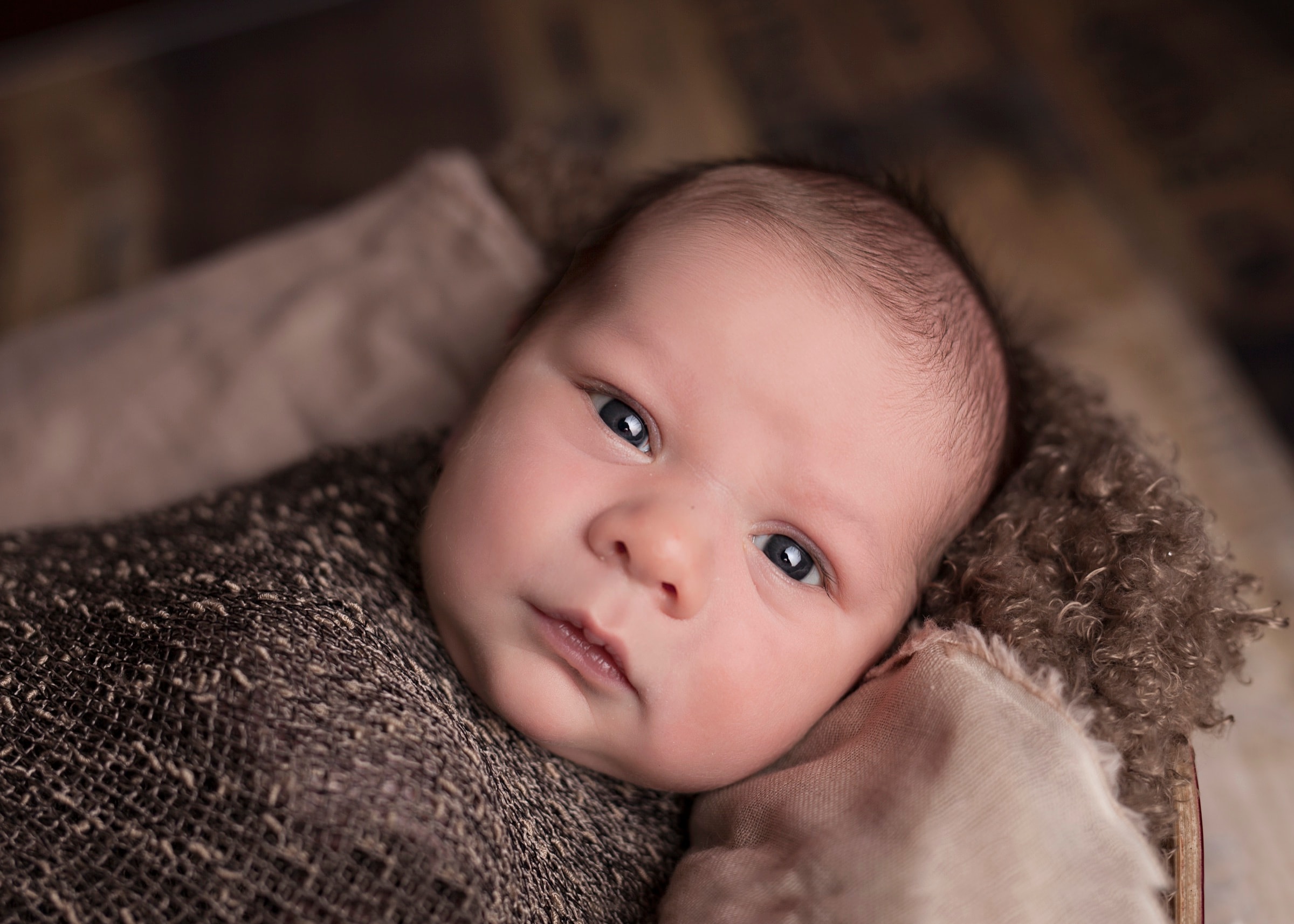
Grunts, squeaks, sighs, sneezes and hiccups are all listed by the AAP as ordinary newborn noise.
Practical answers for the first years: what is happening in your baby's development, how sleep really behaves at each age, and what helps when nothing seems to. Written by the Growbaby team against AAP, CDC and WHO guidance, and where a guide makes a clinical claim, the sources are listed on it. How we write these
36 months published, from newborn to three. Start wherever your child is.
9 guides on the questions that come up at 2 AM.
Topic
Baby's age
55 guides
Grunts, squeaks, sighs, sneezes and hiccups are all listed by the AAP as ordinary newborn noise.
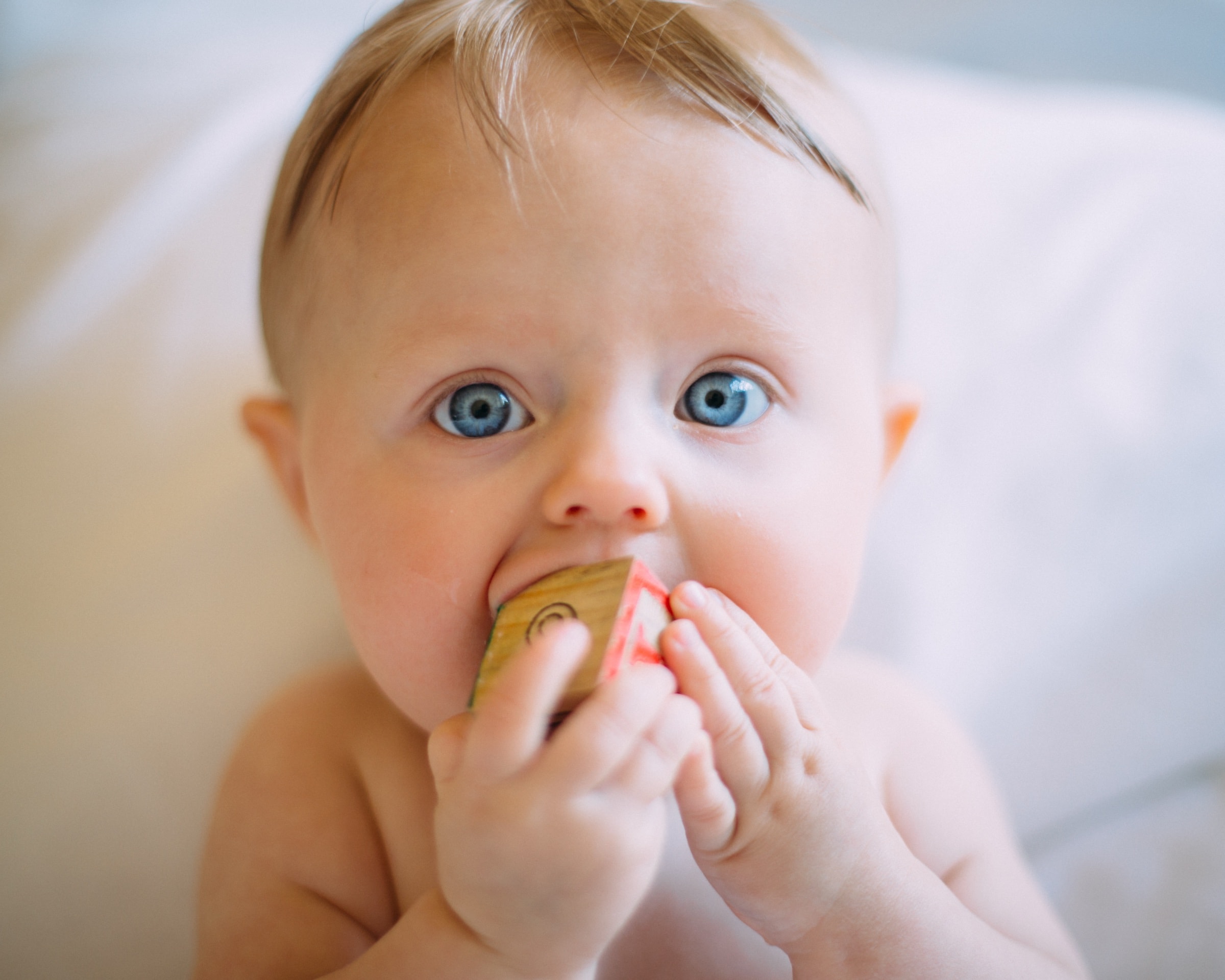
First teeth usually appear between 6 and 10 months, and the bottom two front teeth come first.

You can request a free evaluation yourself. No doctor's referral and no diagnosis are needed first.
The CDC's current advice, on every milestone page: screen time is not recommended under 2 years.
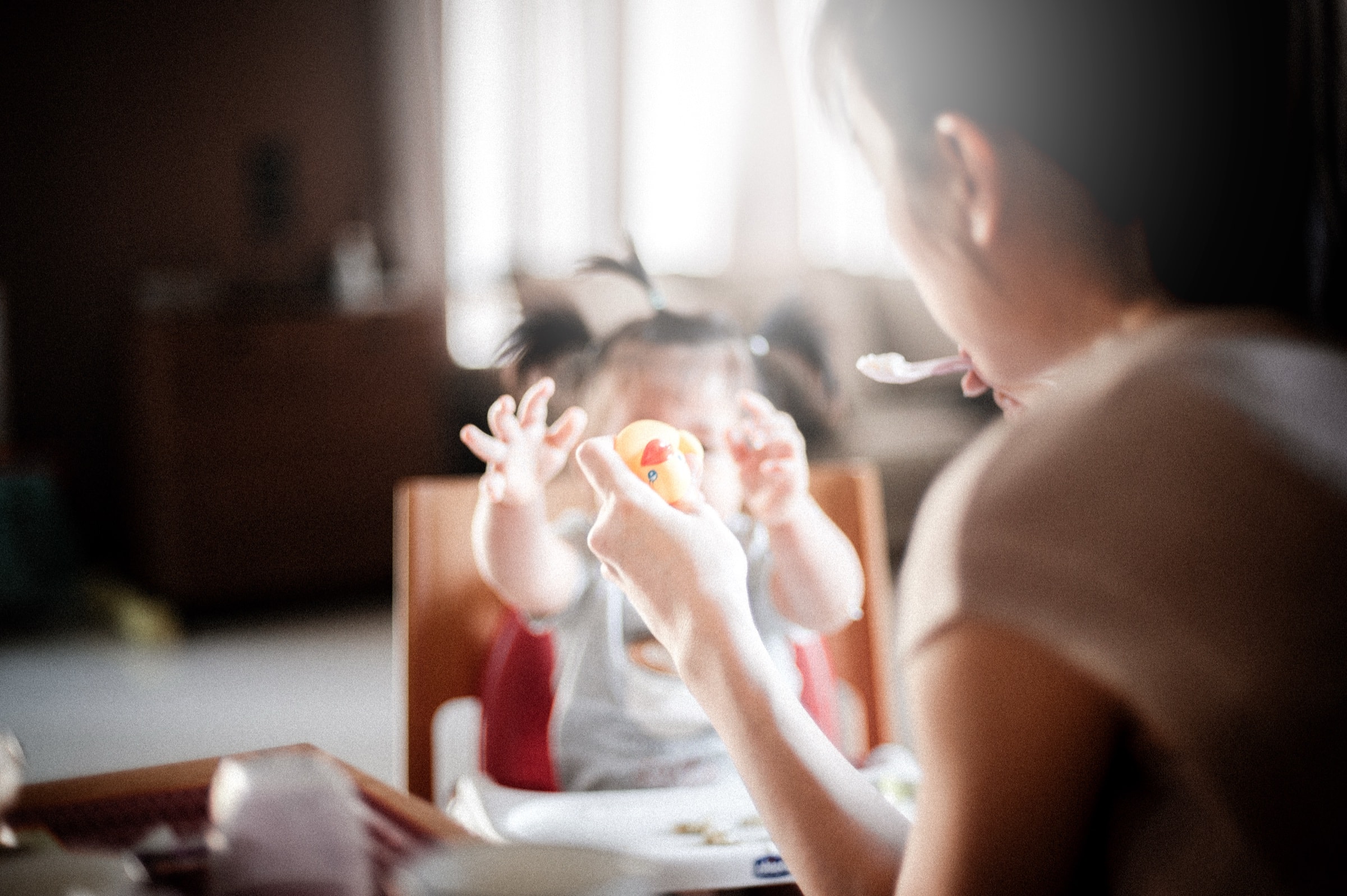
Reacting when you leave is on the CDC's 9-month checklist as a milestone, not a symptom.
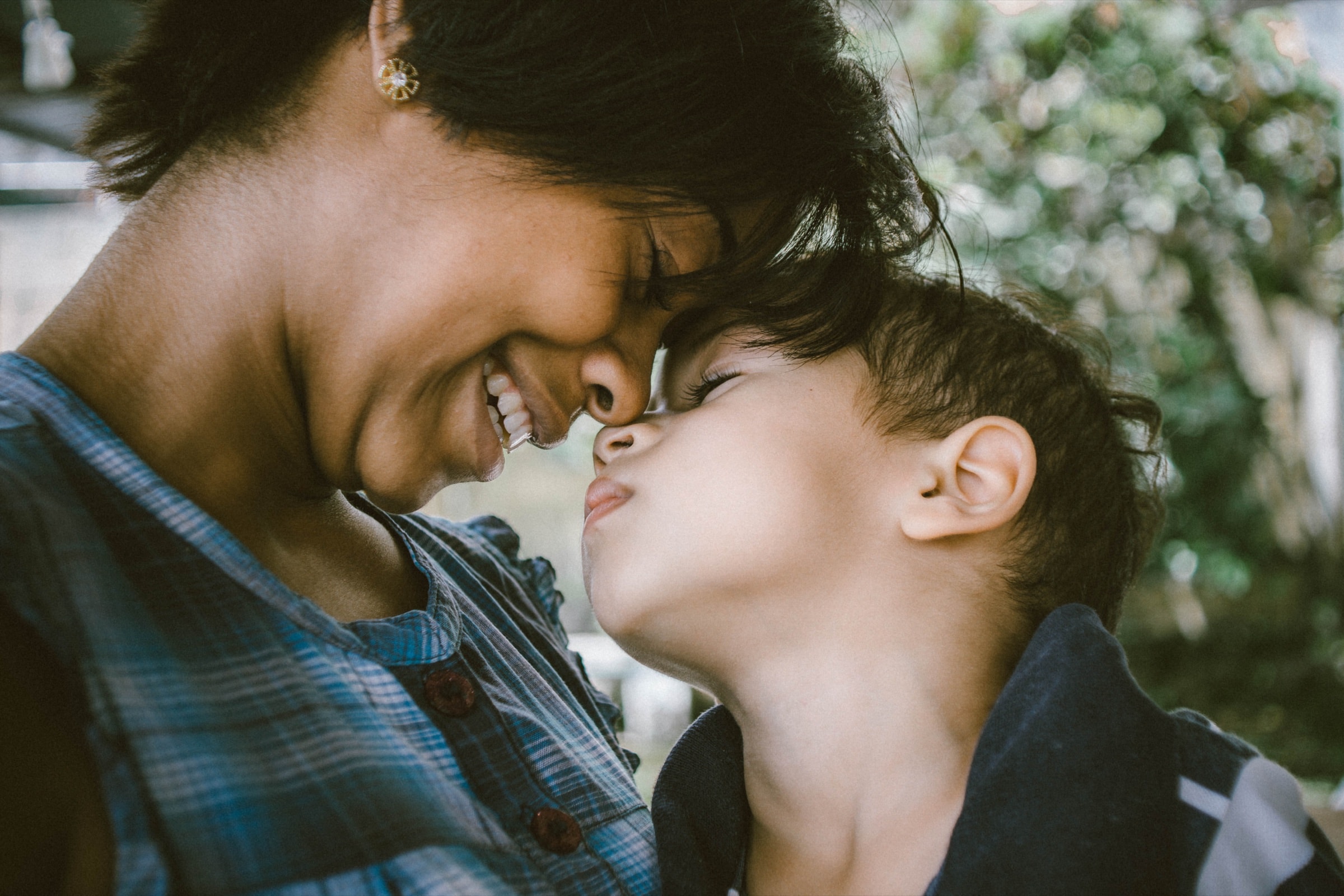
These are two different problems. In the first year the guidance pushes in opposite directions.
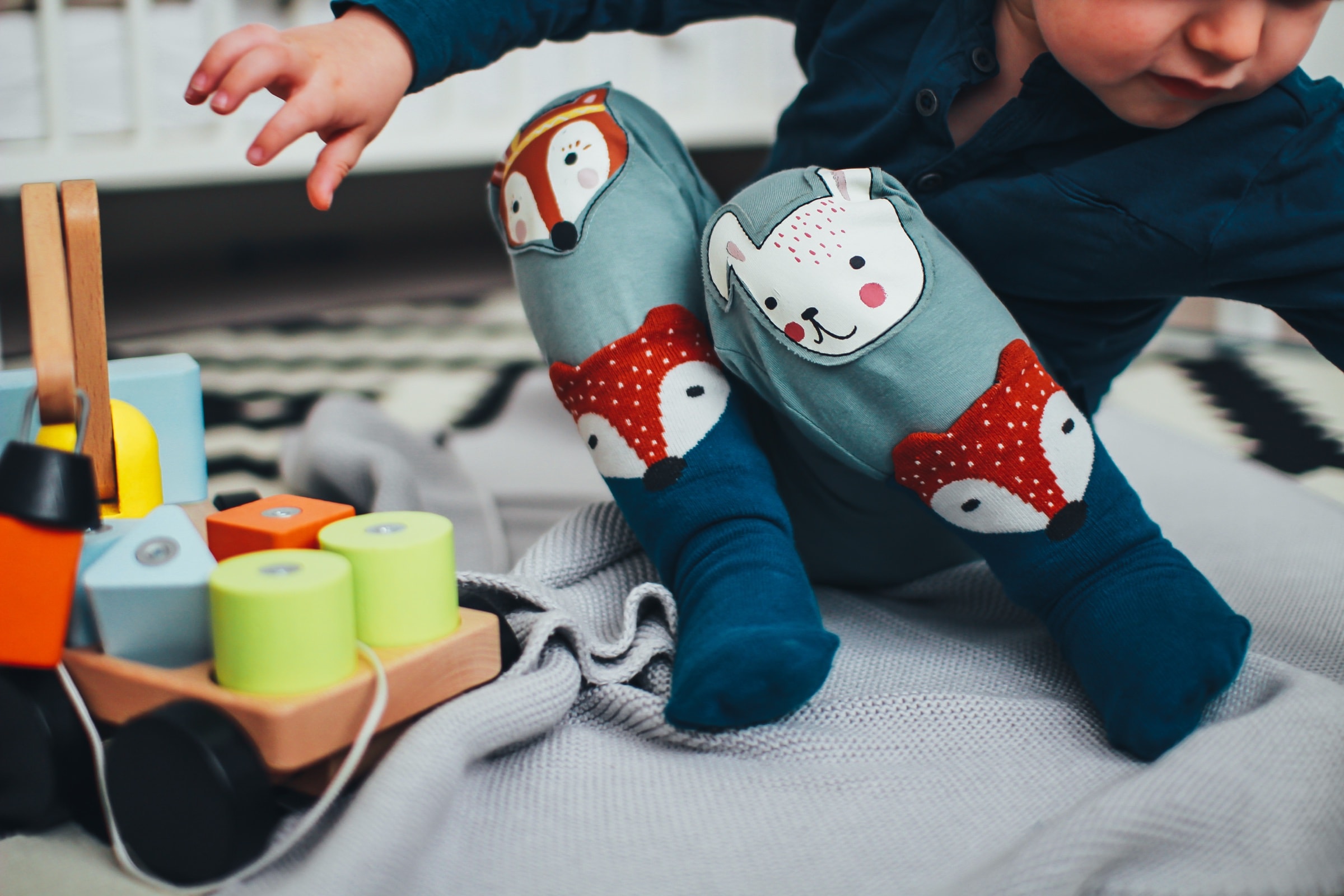
Cut food into pieces no larger than half an inch. That single rule covers most of what you will serve.
The AAP recommends only breast milk for approximately 6 months, then foods alongside continued breastfeeding.
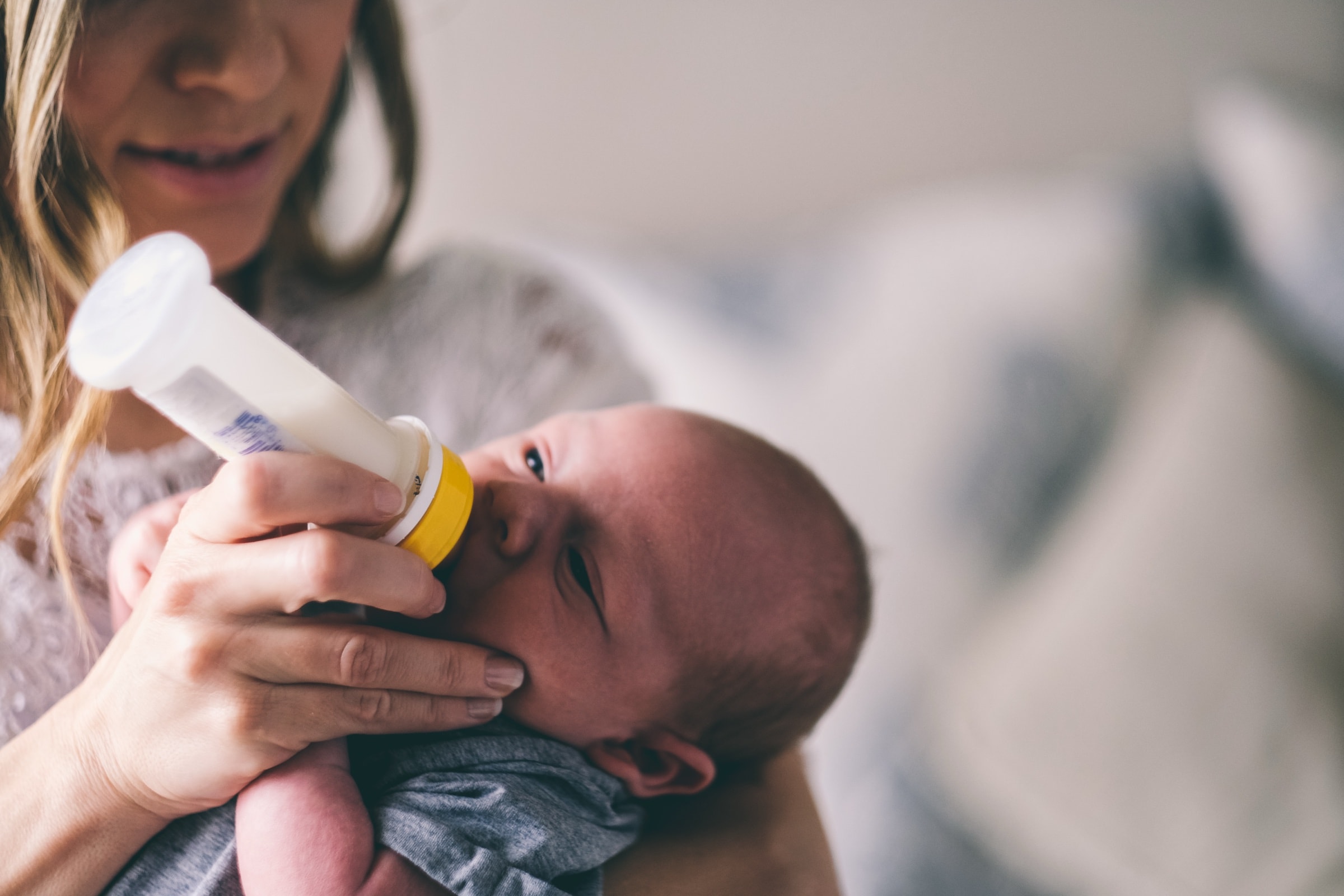
Water starts at 6 months, at 4 to 8 oz (0.5 to 1 cup) a day until the first birthday.
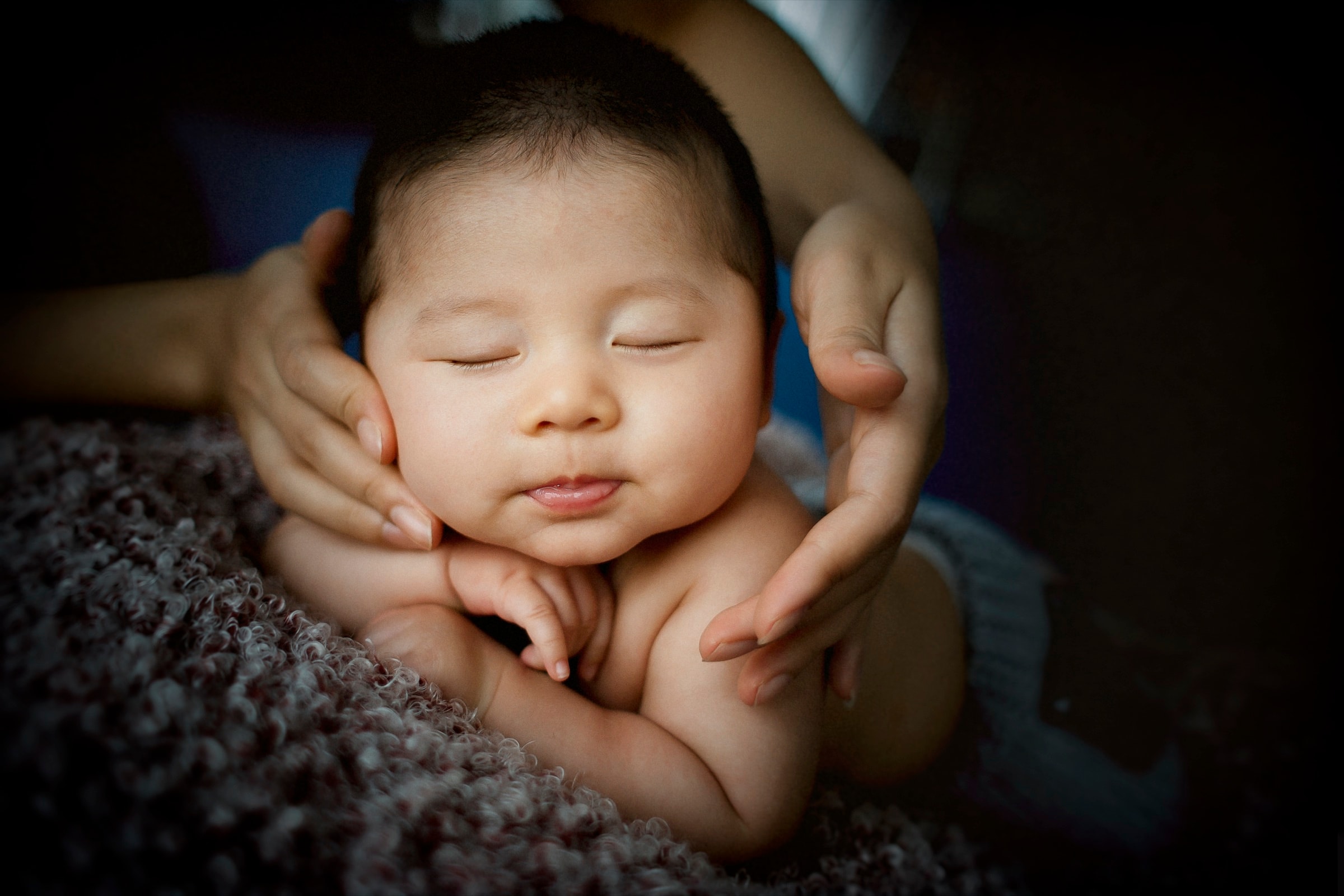
There is no official nap schedule. The AAP publishes 24-hour sleep totals and no nap-drop ages at all.
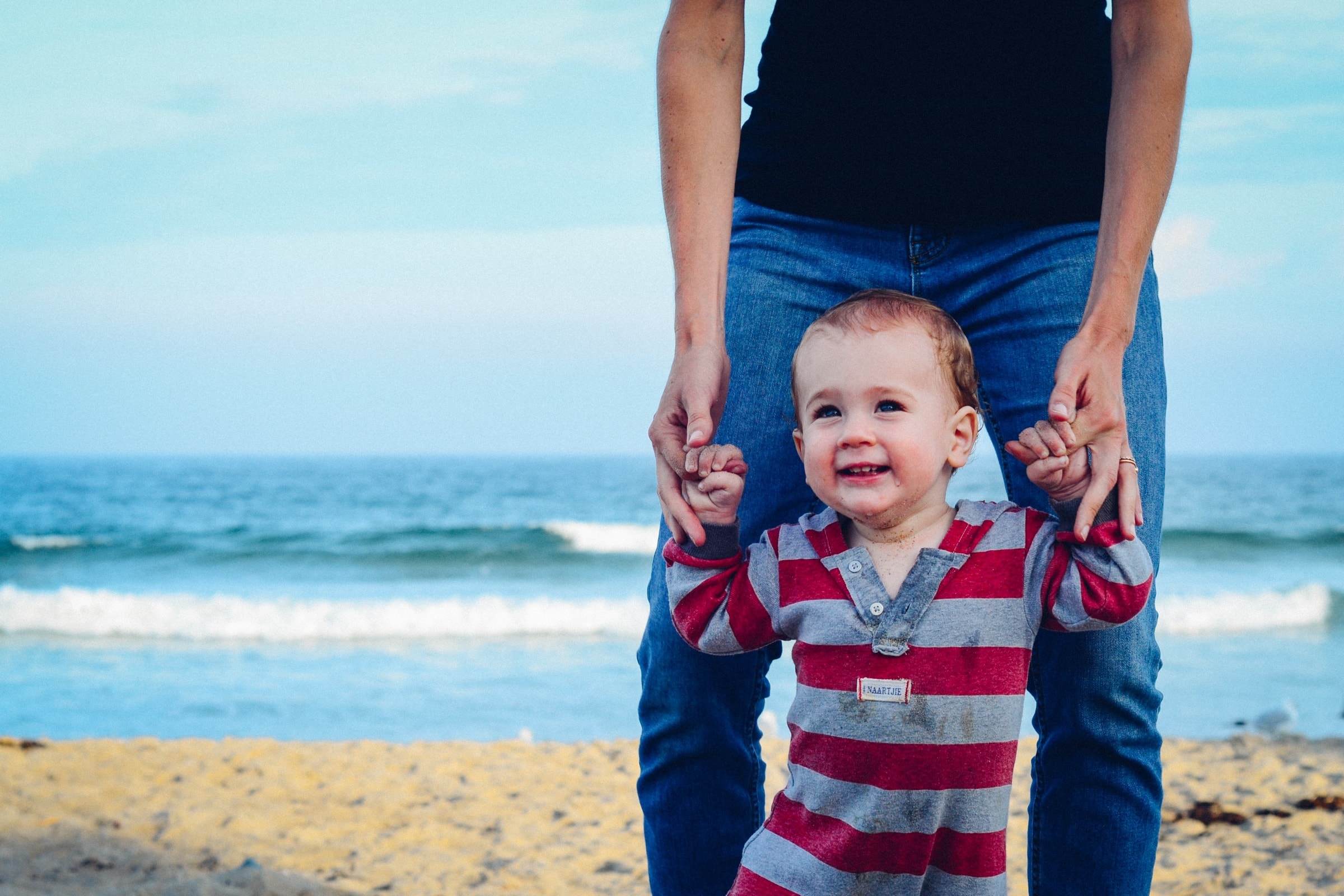
First unaided steps arrive anywhere from about 9 to 18 months, and the whole of that span is ordinary.
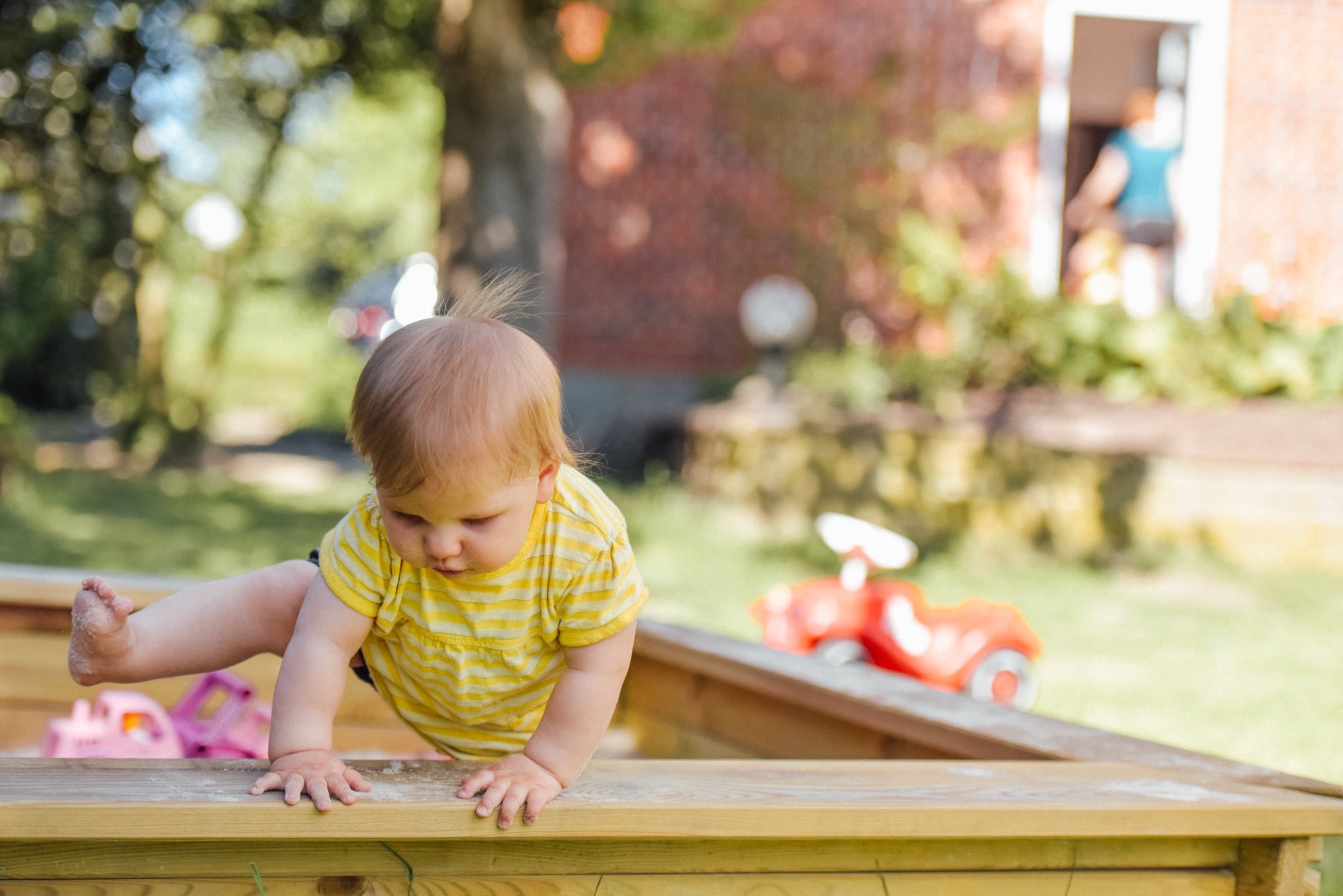
Sitting is two separate skills on the CDC's list, three months apart.
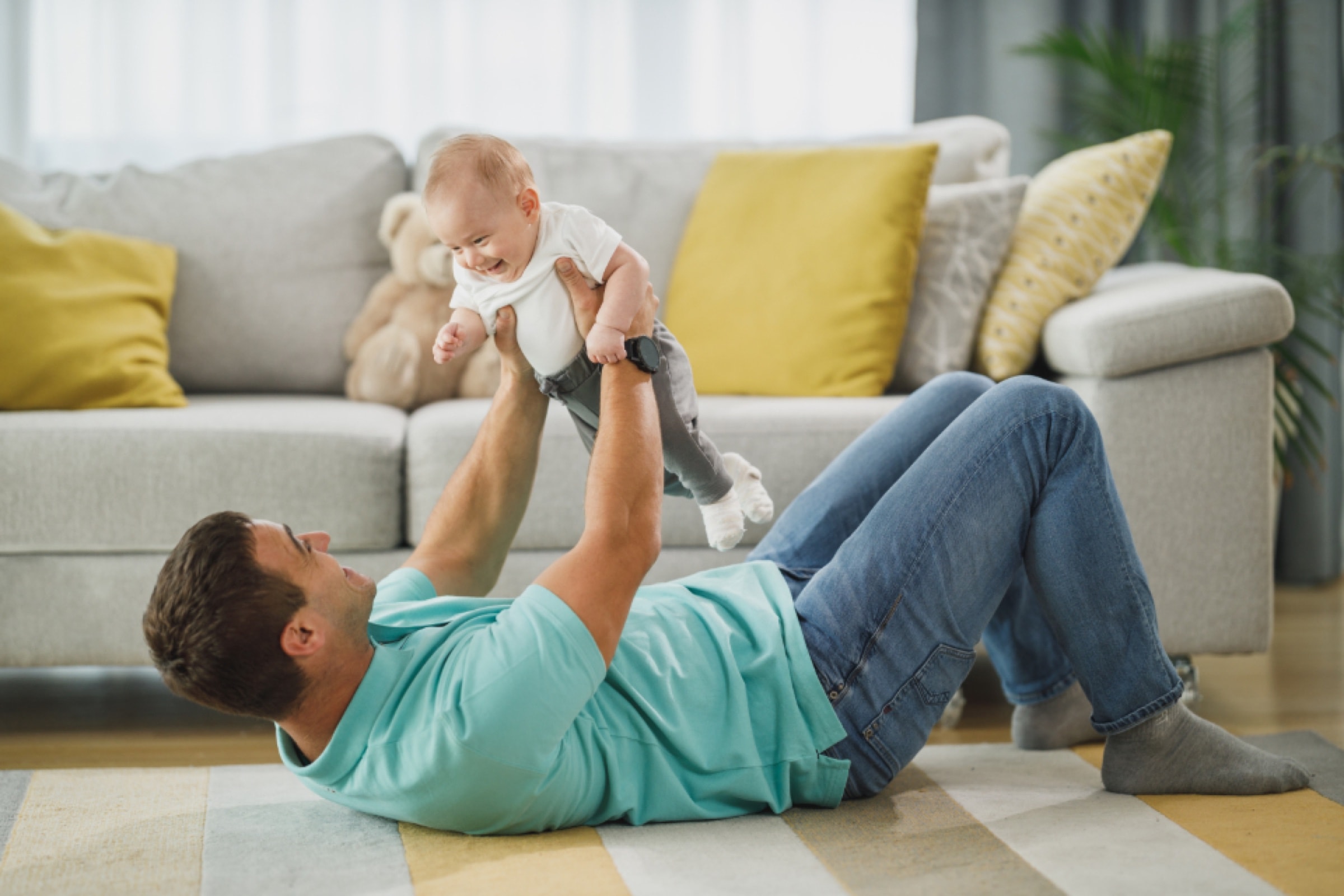
Tummy to back usually comes first, at around five to six months.
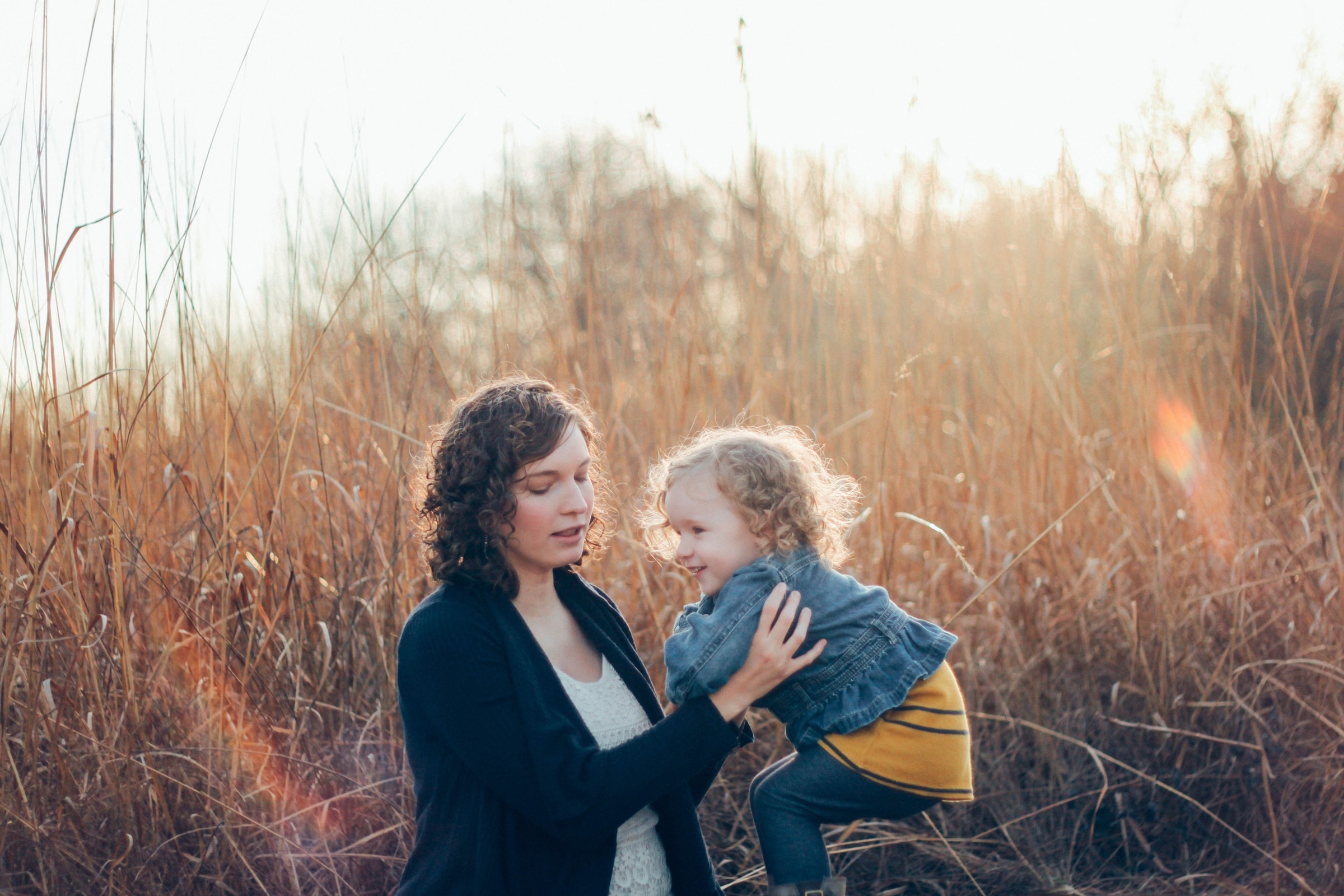
'Mama' or 'dada' aimed at a specific parent is the 12-month checkpoint.
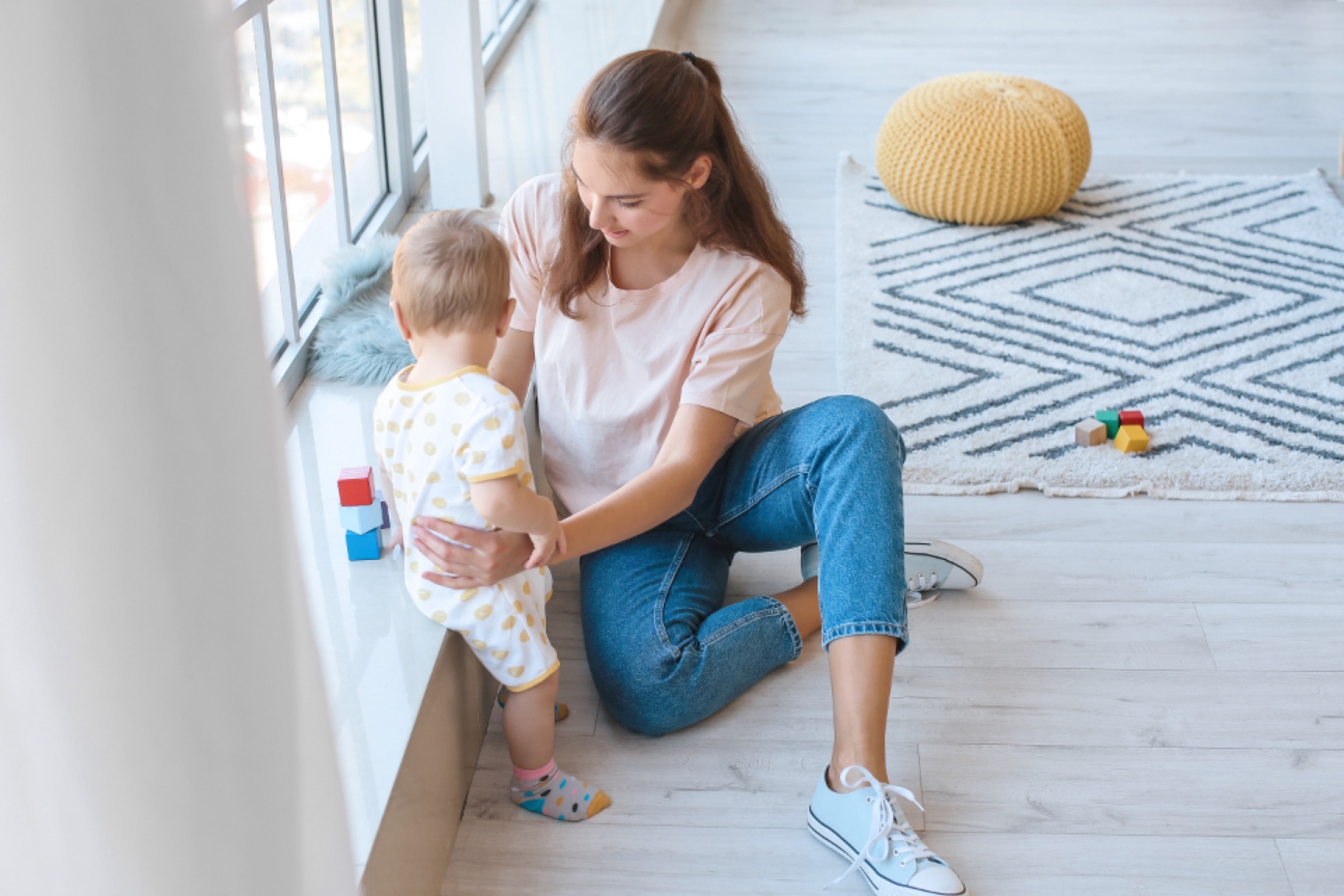
Most babies start moving across the floor somewhere between 6 and 10 months.
White noise is widely used and generally considered safe when the volume is kept moderate.
Crying normally increases over the first weeks and peaks around 6 to 8 weeks, then eases.
A sleep regression is a description of a pattern, not a medical diagnosis.
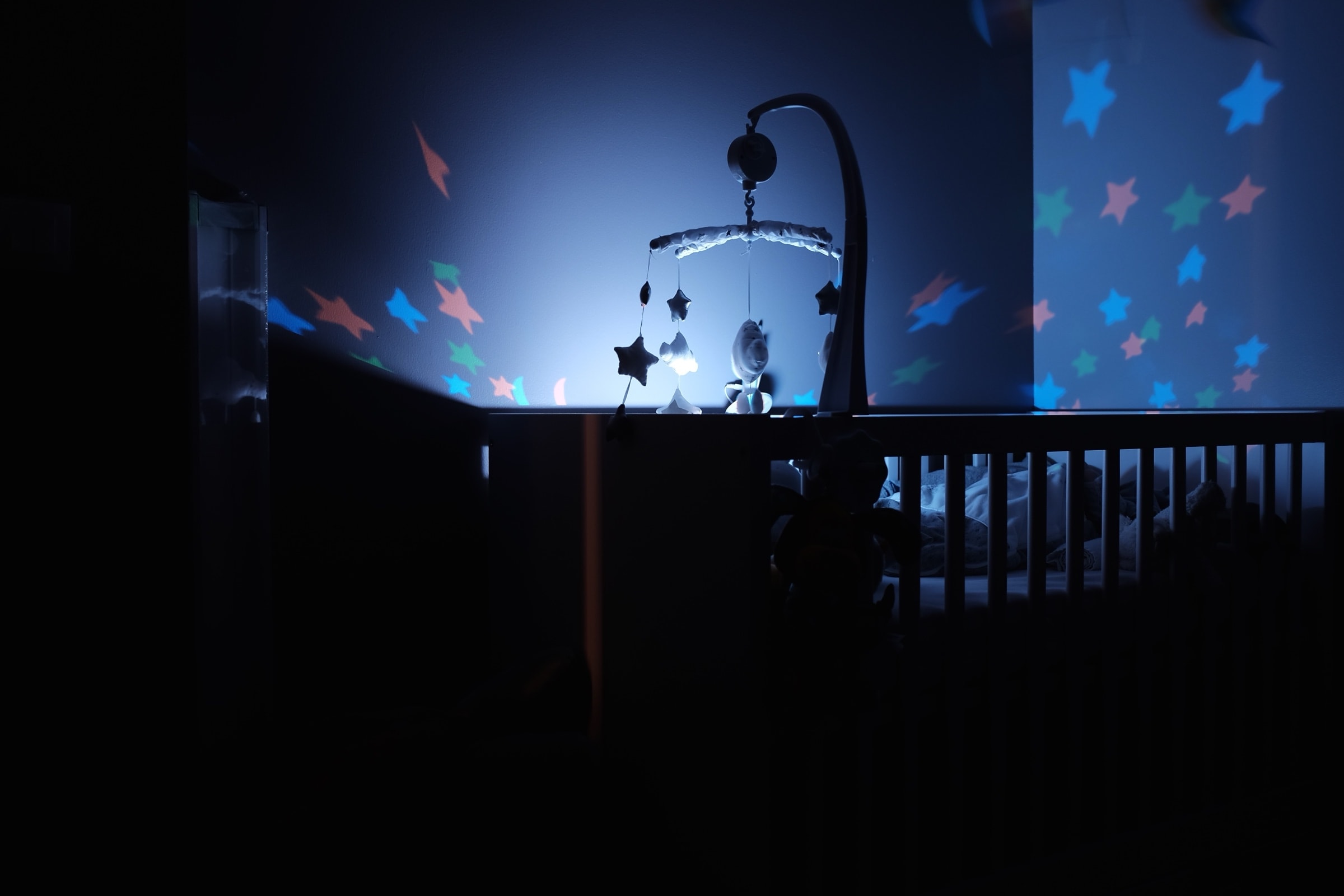
Back to sleep, for every sleep, day and night, until your baby's first birthday.
Most newborns sleep 14 to 17 hours across a full day, in short stretches.
The social smile arrives for many babies around 6 to 8 weeks.
Hands become fascinating: batting, grabbing and mouthing everything within reach.
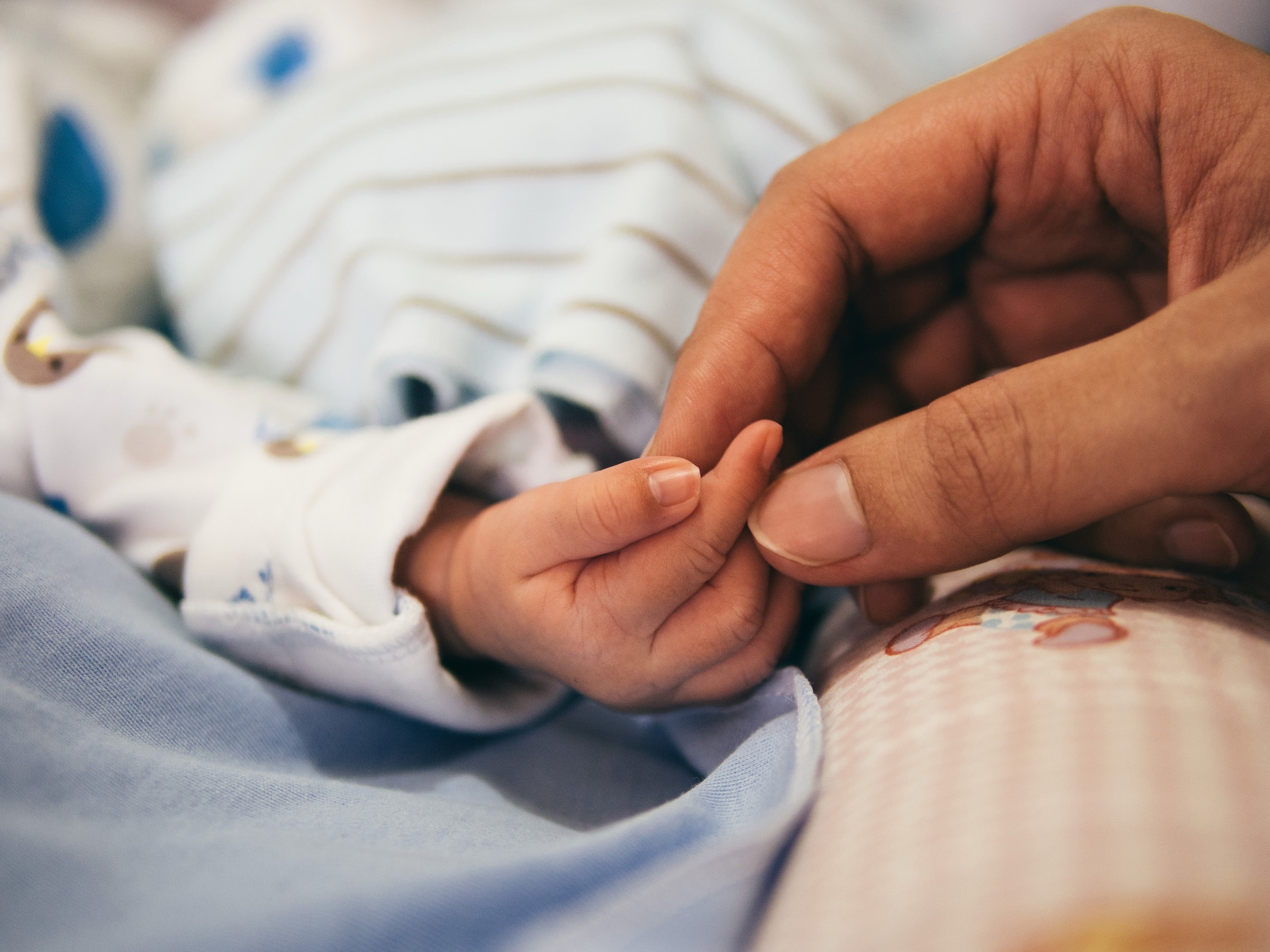
Hands find each other at the midline, which is the start of two-handed play.
The mouth is now an investigating tool, not just a feeding one.
Rolling from tummy to back is the CDC's milestone for this month; back to tummy usually comes later.
Cause and effect clicks: push this, that happens, do it again.
Your baby responds to their own name, reliably rather than by chance.
Clapping and waving are social gestures, learned by copying and repeated for the response.
Cruising, walking sideways while holding furniture, is the usual route to walking.
Pointing is a milestone worth noticing: it means sharing attention, not just wanting.
Using a brush on hair or a cup to drink shows your baby has learned what things are for.
Walking looks steadier, with fewer wide-armed wobbles.

Household actions get copied, often within minutes of being seen.

Your toddler brings you a book and climbs in to hear it.
Toys get gathered into rough groups: cars here, animals there.
Throwing comes long before catching, and aim is not the point yet.

Objects are carried from room to room as the whole point of the game.
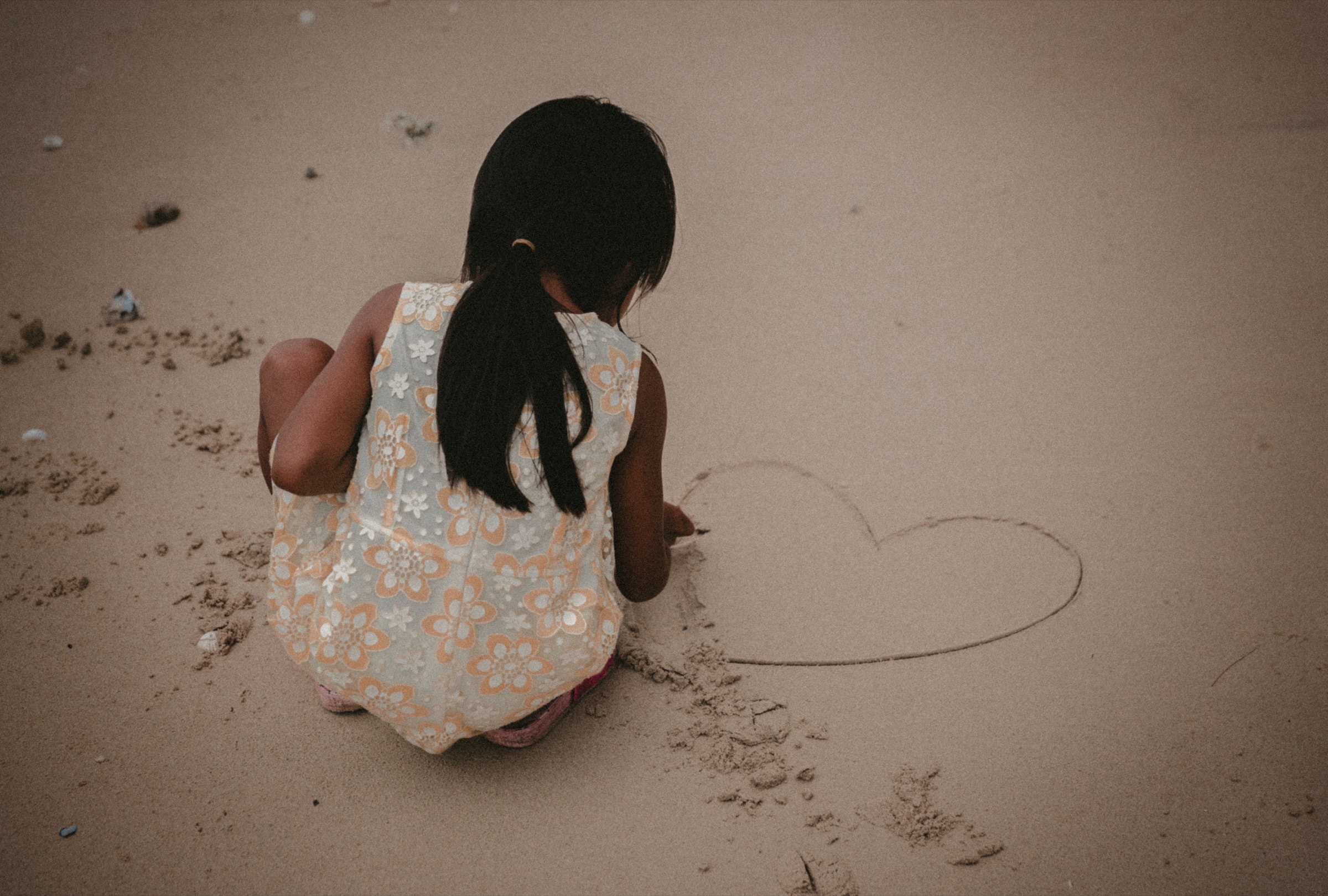
Jumping is attempted well before both feet actually leave the floor.
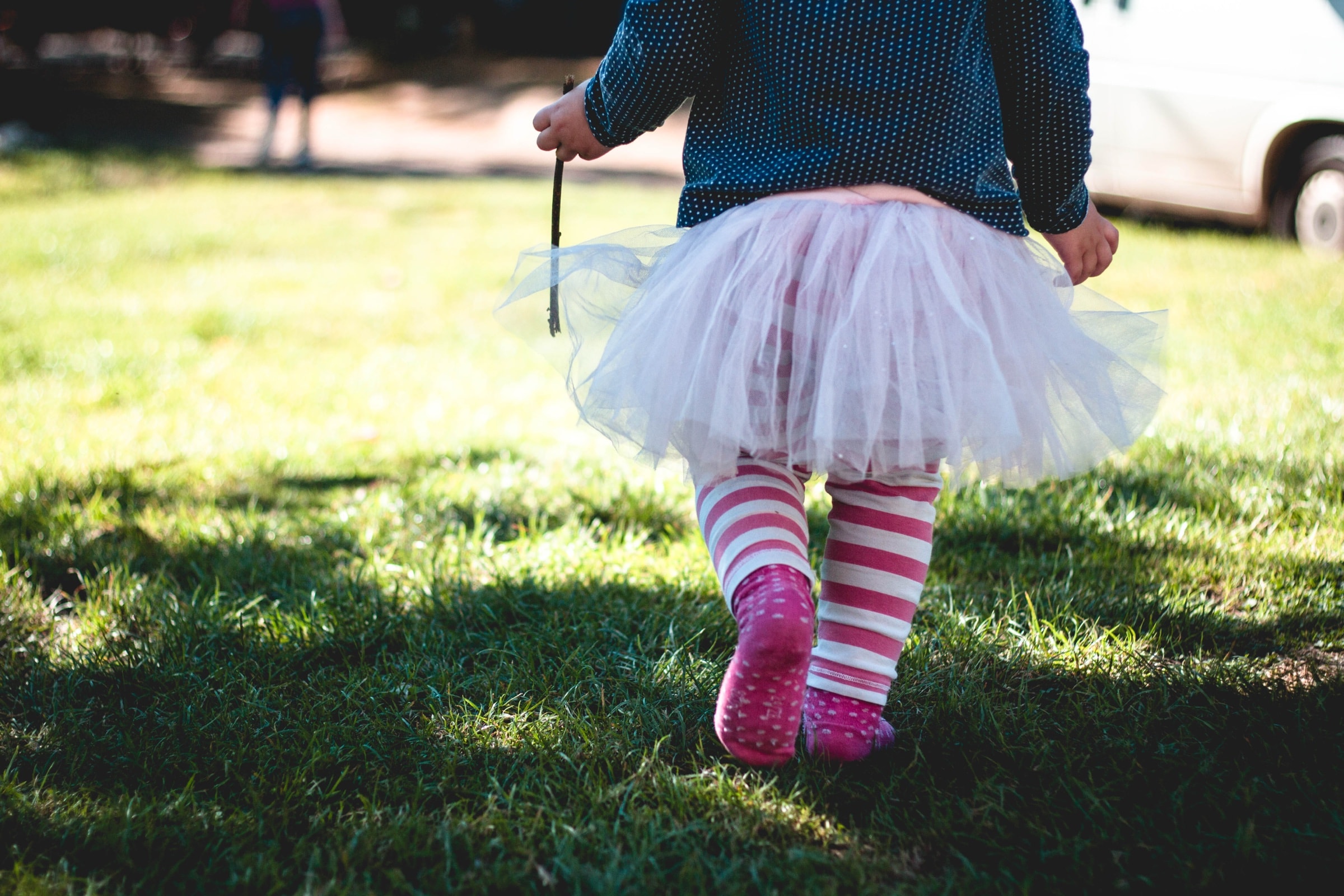
Rows of objects get arranged, inspected, and rearranged with intent.
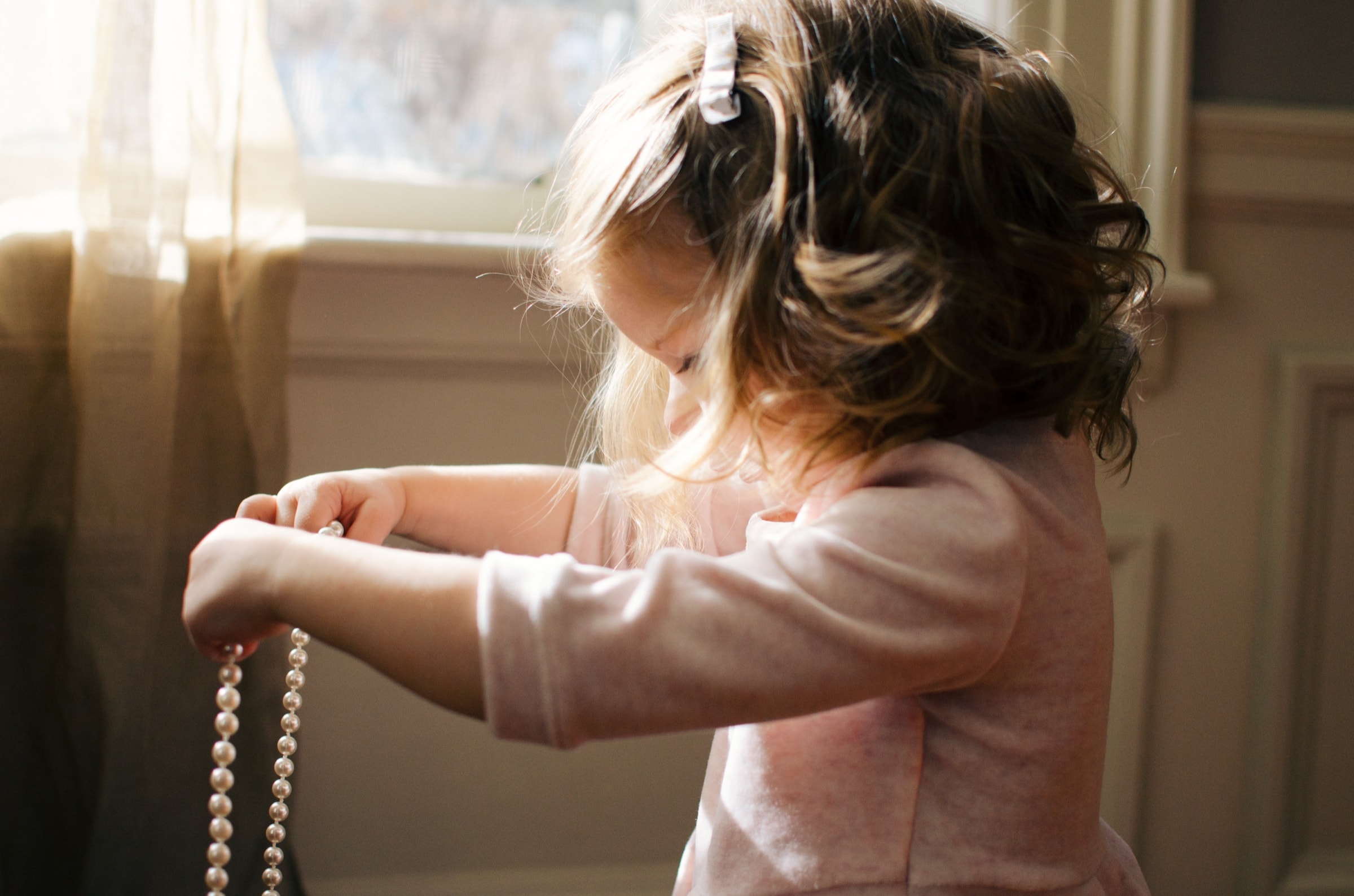
Familiar stories are followed, and a wrong ending gets objected to.
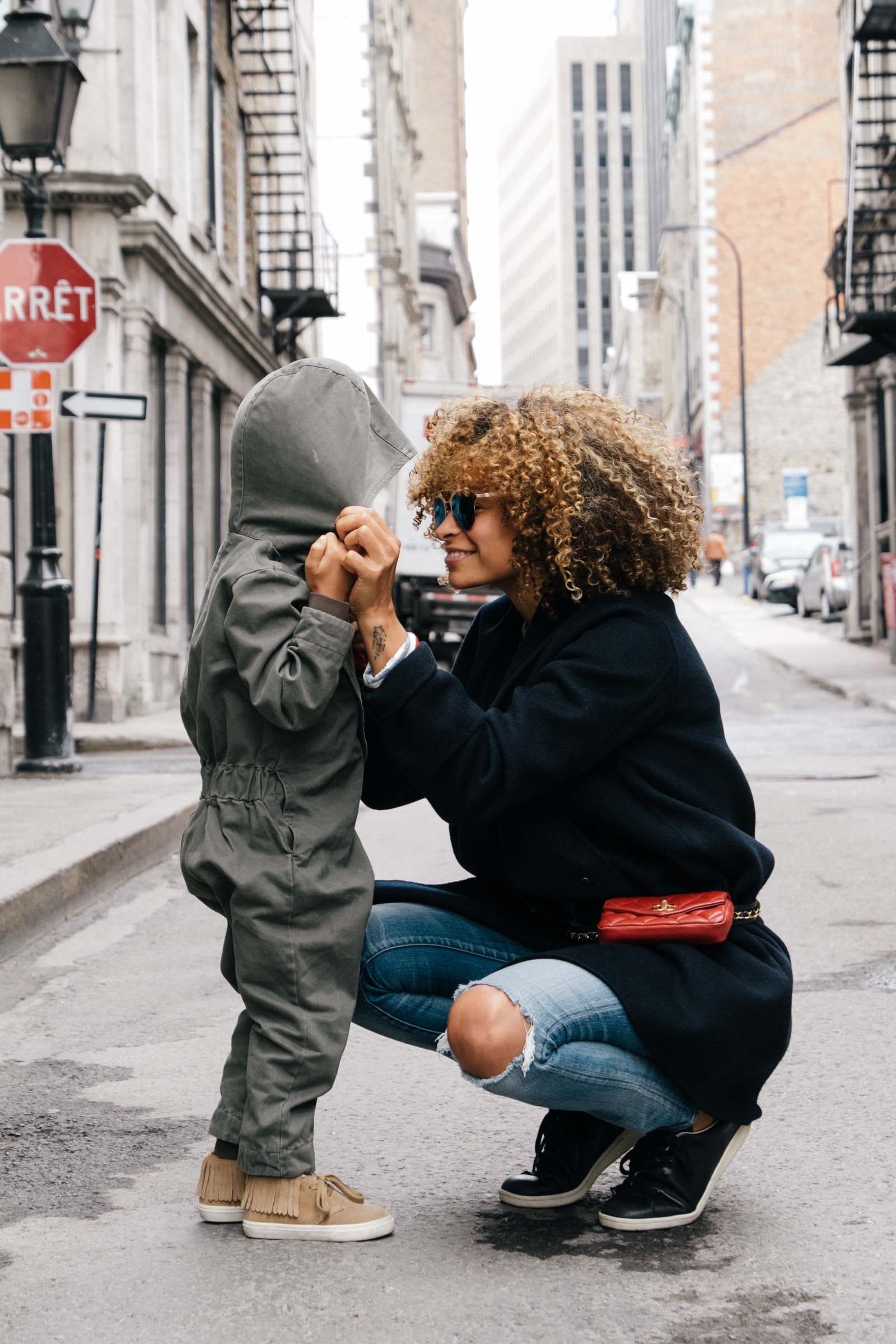
A circle is told apart from a square before either is named.
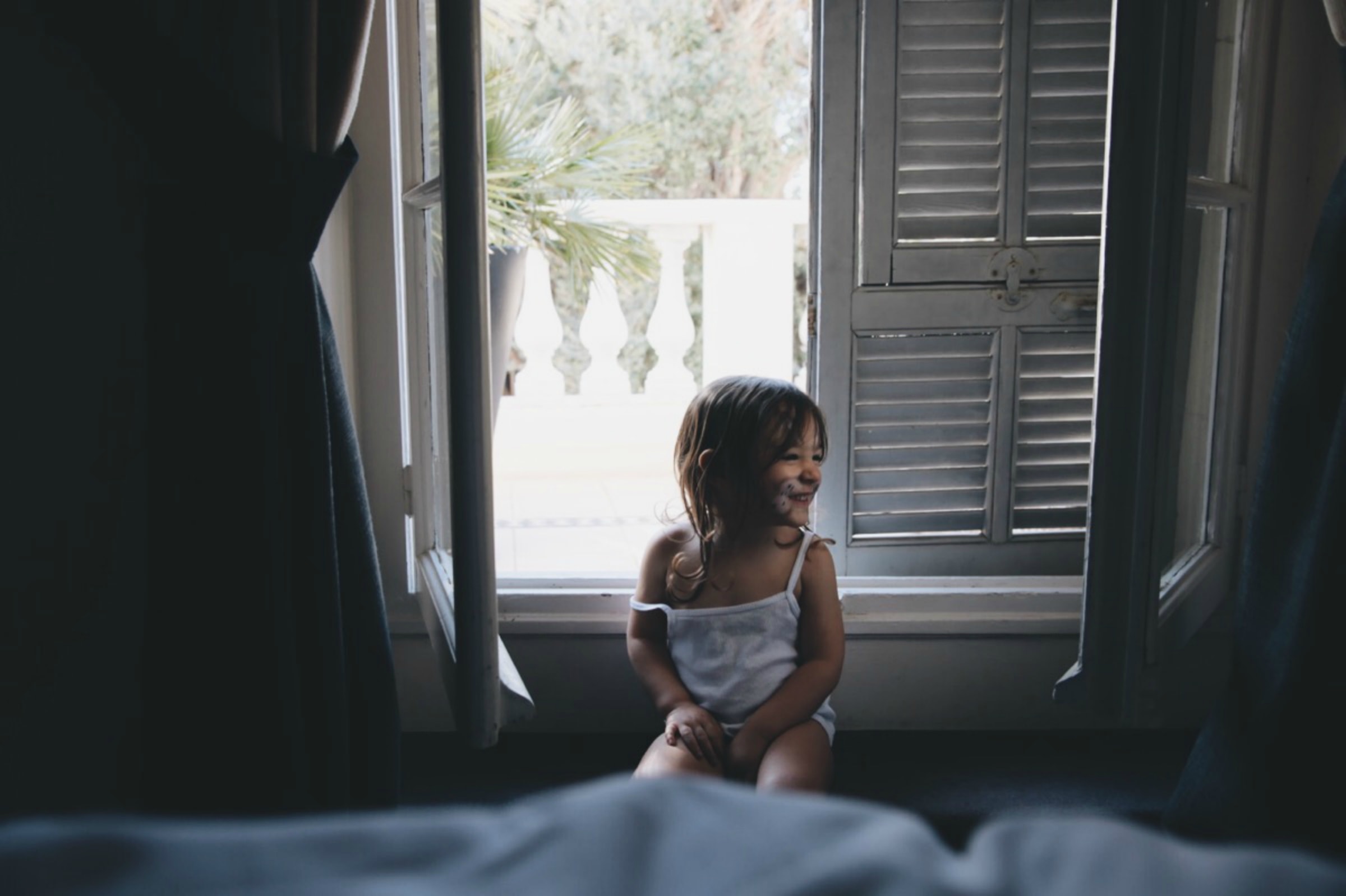
Feelings get directed at you deliberately, not simply displayed.
A crayon makes deliberate lines rather than whole-arm scribble.
Three-word sentences carry detail the shorter ones could not.
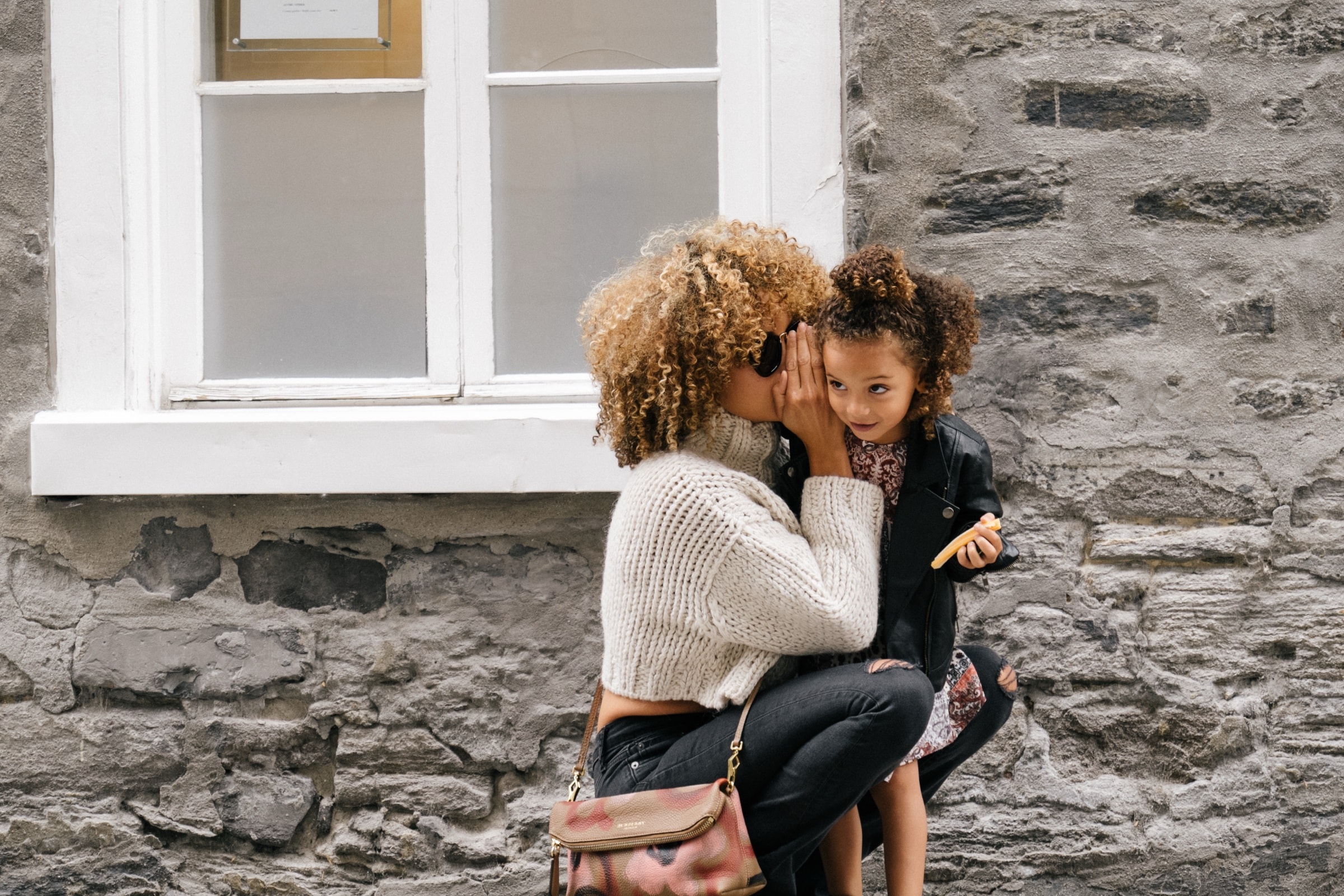
Real events get recounted, with the best part told first.
Sentences join up with words like because, but and so.

A finger touches each object as the number is said.

Narrow lines and kerbs get walked along on purpose.
Your child insists on dressing alone and refuses your help.

Sentences run longer, with several ideas held in one breath.
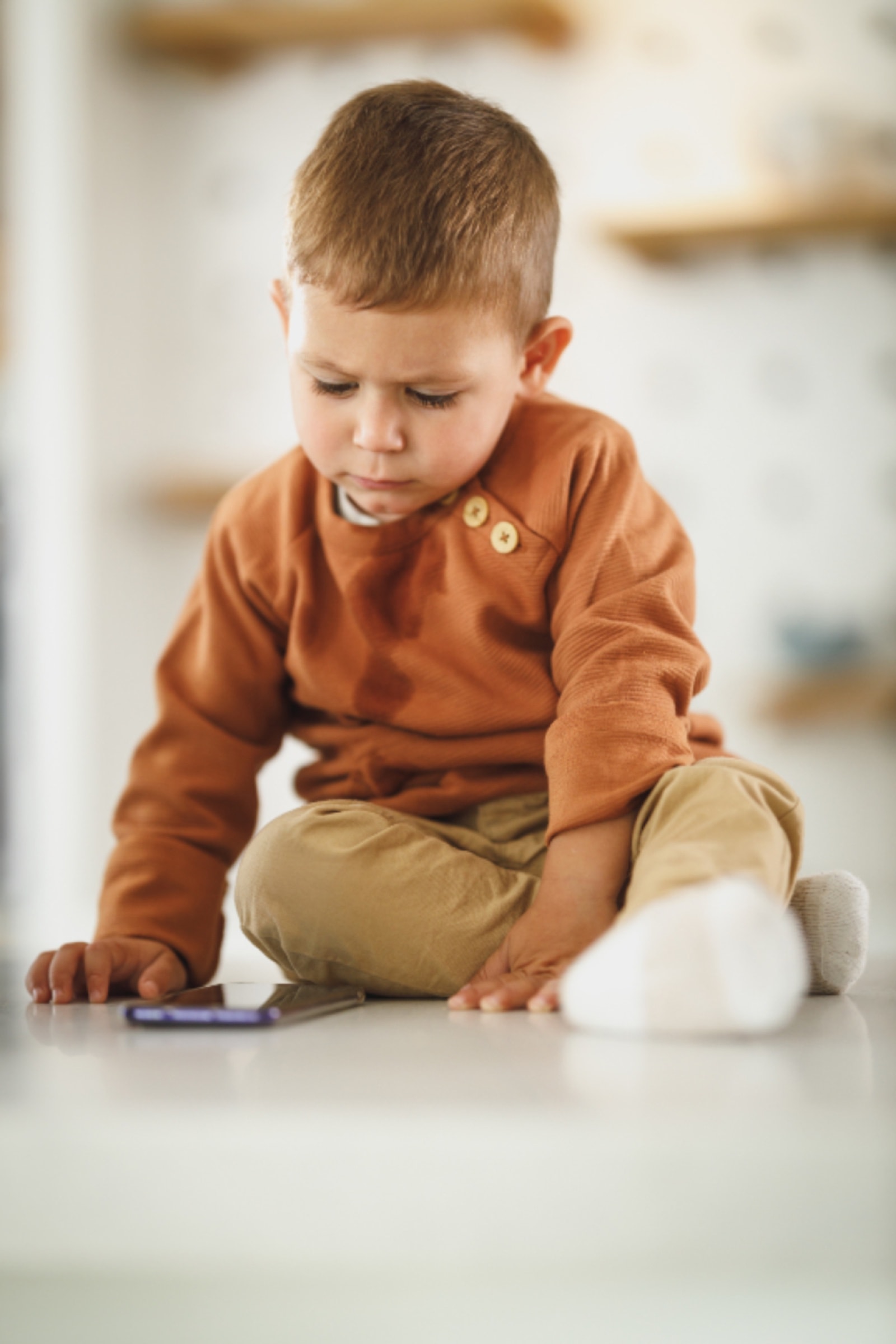
Solo play holds together without you being in the room.

Other children become collaborators rather than scenery.
A rule survives a whole game rather than the first two turns.
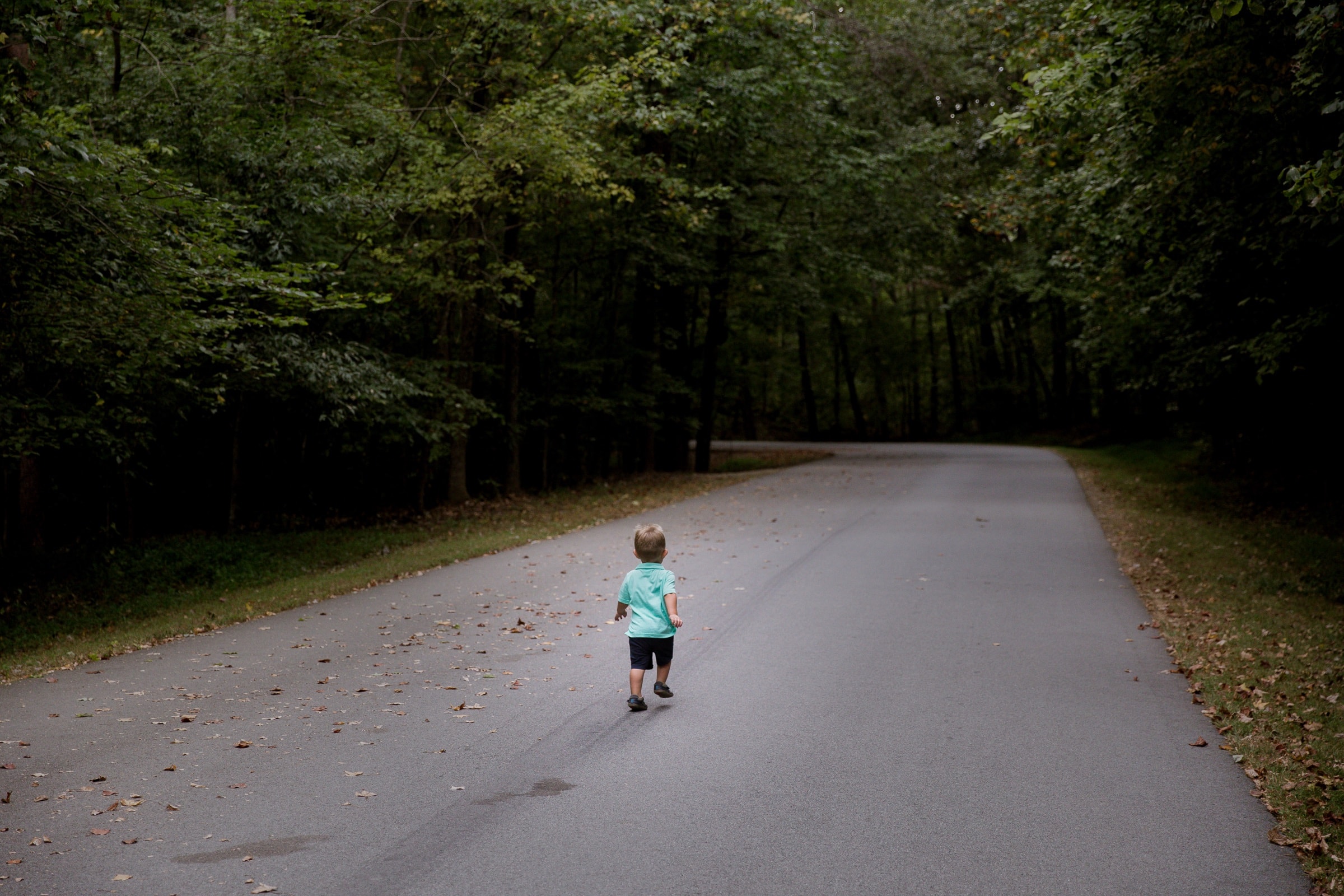
A known story is retold with beginning, middle and end intact.

Stories run to several linked parts and keep their characters straight.